












Olive Trees in Paros: Deep Roots in Island Life
Paros is not only about beaches and whitewashed alleys. It is also about the silvery-green slopes covered with olive trees that shape the island’s landscape and way of life.
Families often have their own small olive grove, the place that provides the household’s olive oil for the year and passes from generation to generation.
Across the island, olive trees grow between stone terraces and old walking paths. The olive harvest and the local olive oil are still an essential part of Parian culture and everyday life.
When Is the Olive Harvest in Paros?
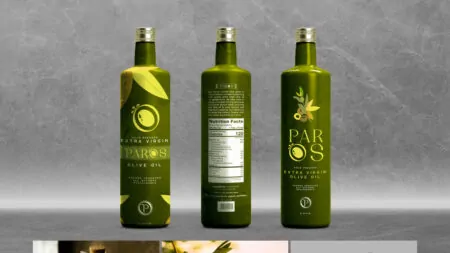
The olive harvest in Paros usually begins in late October and can continue until mid-winter, depending on the weather and the variety of the olives.
In general:
- Early in autumn: The olives are greener and less ripe. They give a more fruity, slightly bitter and peppery extra virgin olive oil.
- Later in the season: The olives become darker and riper. The olive oil is often milder and rounder in taste.
For locals, harvest time is more than agricultural work. It is a social and family event: people meet in the grove, share stories between the trees, and finish the day around a simple table with bread, local cheese and, of course, fresh olive oil.
From Tree to Mill: How Olives Are Harvested
Even though modern tools are now used, the basic picture of the olive harvest in Paros has changed very little over the years.
1. Spreading the Nets
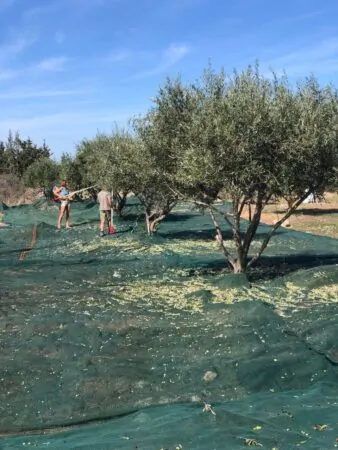
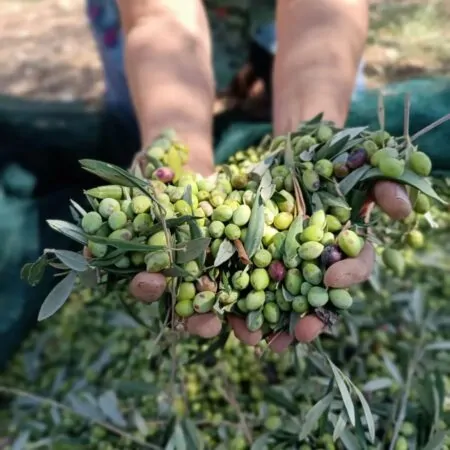
Large nets are spread under the trees so that the olives fall onto a clean surface. This helps protect the fruit, makes collecting easier and prevents olives from touching the soil.
2. Shaking and “Combing” the Branches
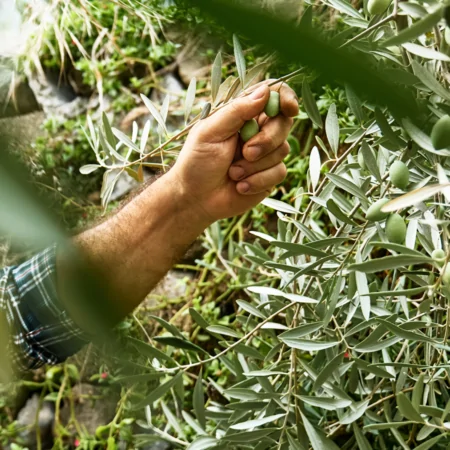
With small hand tools, light sticks, or simply with their hands, people shake or comb the branches so the olives drop gently onto the nets.
In some traditional groves, especially for table olives, careful hand-picking is still preferred.
3. Cleaning and Filling the Crates
The olives are gathered from the nets and cleaned from leaves and small branches. They are then placed in crates or bags, ready to be transported to the local olive mill.
4. At the Olive Mill
In the modern mills of Paros, the process is designed to protect the quality of the oil. The usual steps are:
- Washing and cleaning the olives
- Crushing the fruit into a paste
- Slow mixing of the paste to release the oil (malaxation)
- Separating the oil from water and solids using pressure or centrifugation
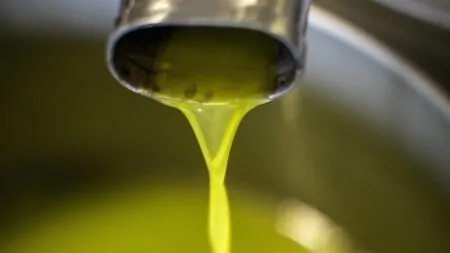
The fresh olive oil that comes out has a vivid green color and a strong aroma that fills the mill: notes of freshly cut grass, wild herbs and leaves – a concentrated taste of the Parian countryside.
Parian Olive Oil: Taste and Everyday Use
Most of the olive oil produced in Paros never travels far. It is mainly consumed locally:
- at family tables in village homes
- in small tavernas that drizzle it over Greek salads and grilled dishes
- in bakeries that use it for pies, breads and rusks
Producers usually store the oil in stainless steel containers or traditional metal tins, kept in cool, dark places so the flavor and aroma stay vibrant.
Typical characteristics of Parian olive oil include:
- Fruity aromas of herbs and wild greens
- Light bitterness and a gentle peppery aftertaste, signs of quality and rich antioxidants
- Excellent suitability for raw use – on bread, salads and classic Greek “ladera” dishes

The Olive Harvest as an Authentic Visitor Experience
More and more travellers choose to discover Paros outside the busy summer months. The olive harvest is one of the most authentic experiences the island can offer in autumn and winter.
On various farms and small estates in Paros, visitors may have the chance to:
- take part in the olive picking
- visit an olive mill and watch the process up close
- taste fresh olive oil in guided tastings
- pair the oil with other local products such as cheese, wine, rusks, tomatoes and capers
It is a quieter, more genuine way to live Paros – side by side with the people who work the land all year round.
How to Taste Real Parian Olive Oil When You Visit
Whether you come during harvest season or later in the year, there are a few simple ways to discover authentic Parian olive oil.
Ask the Locals
In village cafes, bakeries or small grocery shops, locals can often direct you to families or small producers who sell limited quantities of their own oil.
Visit a Farm or Olive Grove
Some farms and agritourism estates welcome visitors for olive-related experiences, tastings or short tours of their groves.
Choose “Local” at Taverns
Do not hesitate to ask: “Is the olive oil local or from Paros?”. Most owners are proud to serve oil from their own trees or from Parian producers.
Enjoy It the Simple Way
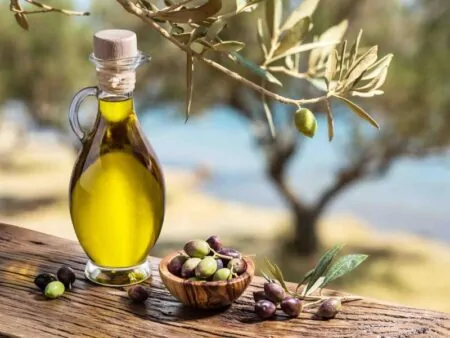
One of the best ways to understand the character of Parian olive oil is very simple: a small plate with olive oil, a pinch of coarse salt and warm bread.
This basic combination reveals all the aromas and flavor of the island.
Explore the Olive Routes of Paros with Chaniotis Paros Rentals
The olive groves, rural roads and old mills of Paros are scattered all over the island. Having an easy way to move around makes the experience much richer.
With a car, jeep, scooter, quad or buggy from Chaniotis Paros Rentals, you can:
- drive to mountain villages and agricultural areas
- stop spontaneously at a grove, a small estate or a traditional village square
- combine your olive-themed trip with a visit to a bakery or taverna that uses local olive oil
This way, your journey in Paros becomes more than a typical holiday. It turns into a real connection with the island’s land, traditions and the “liquid gold” that has nourished its people for generations.
 By subscribing, you agree to receive promotional offers from Chaniotis Paros Rentals in accordance with the General Data Protection Regulation (GDPR). You can unsubscribe at any time.


